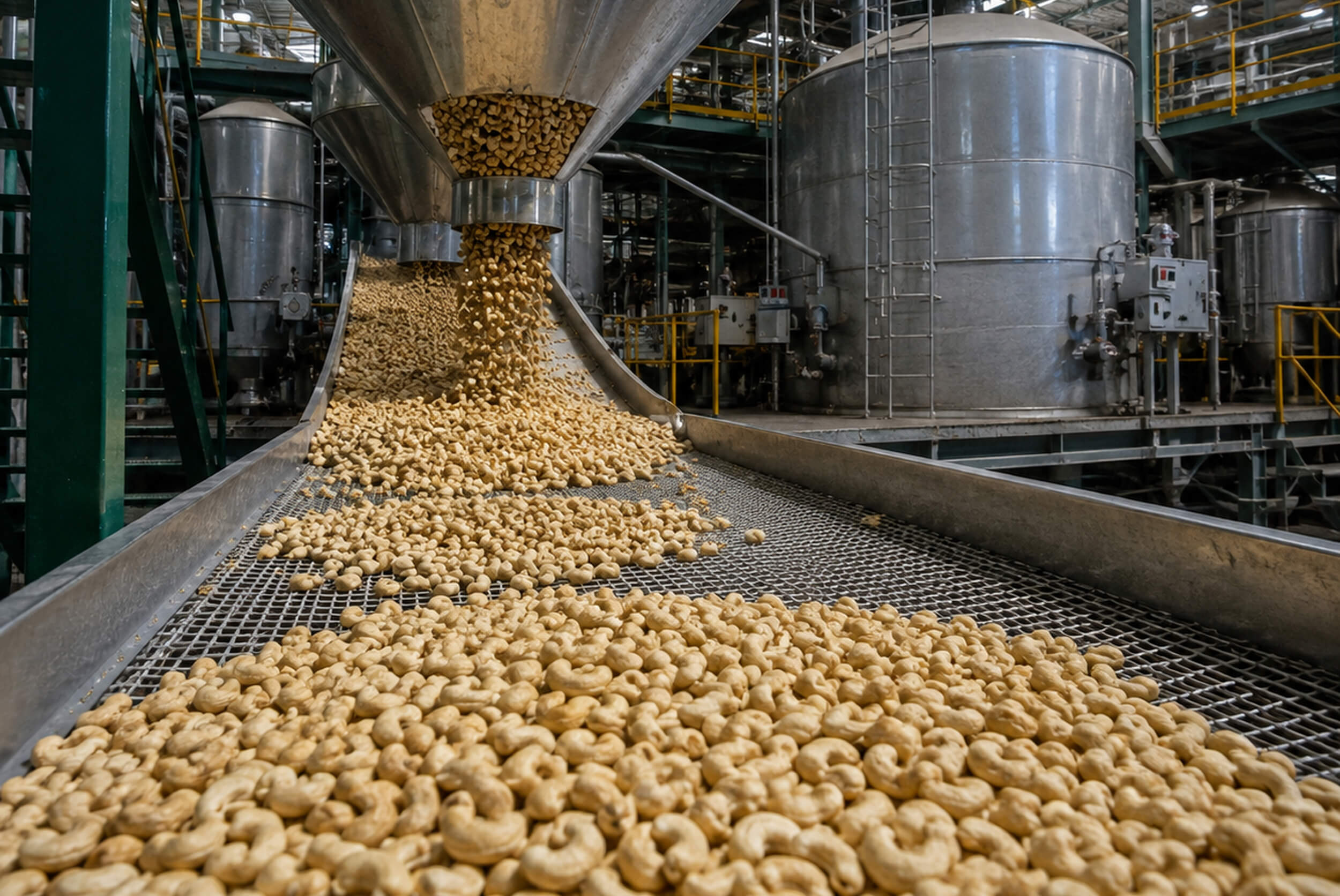
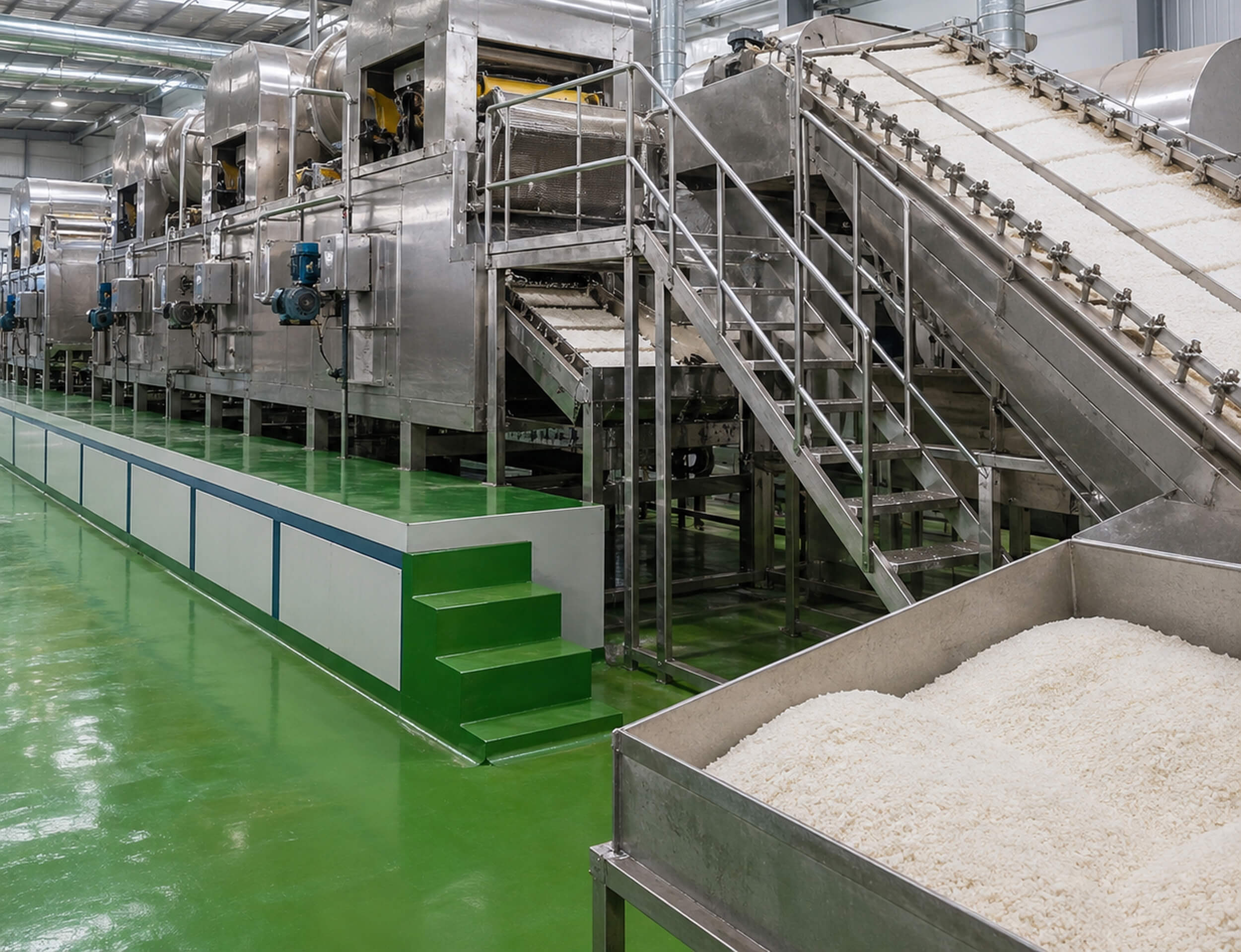
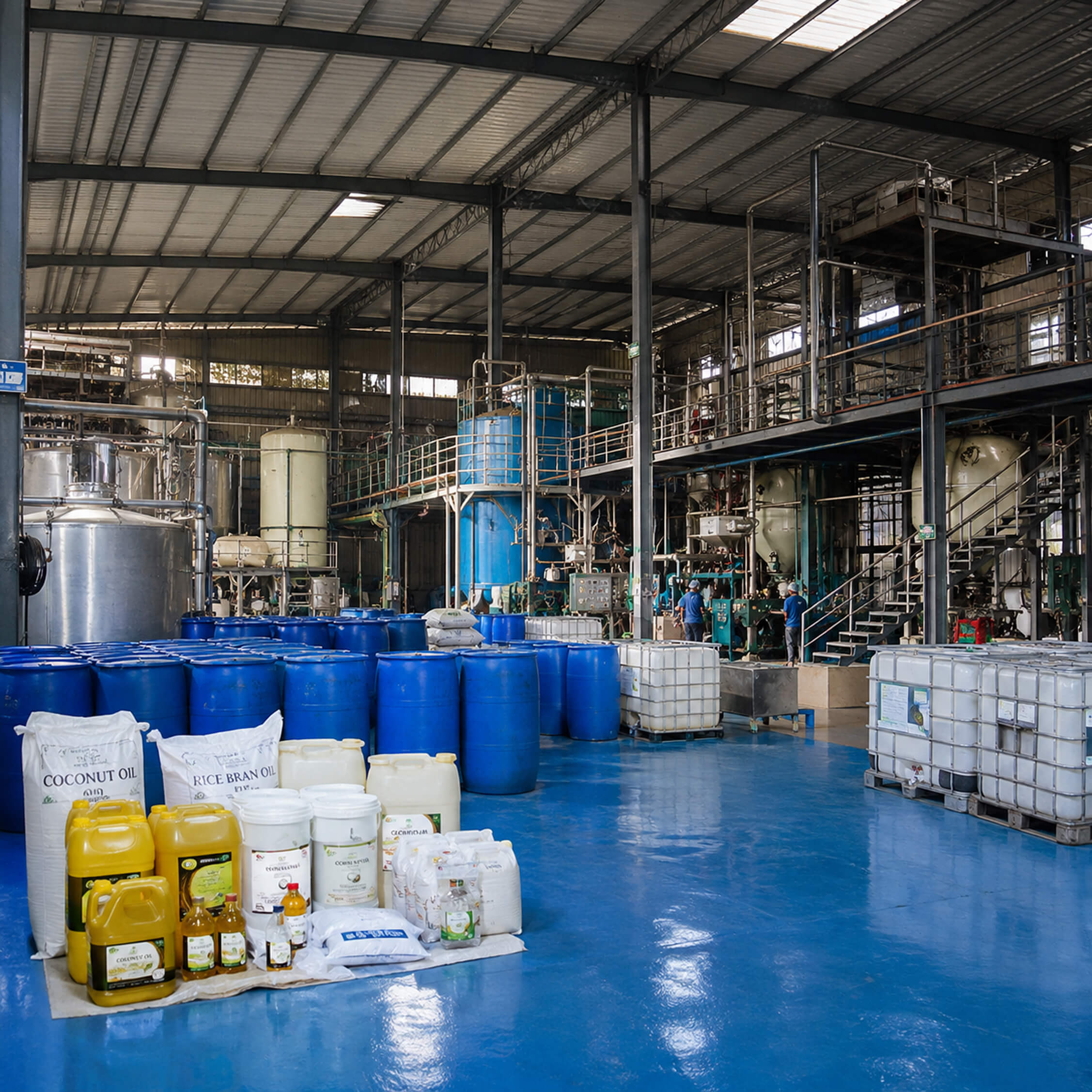
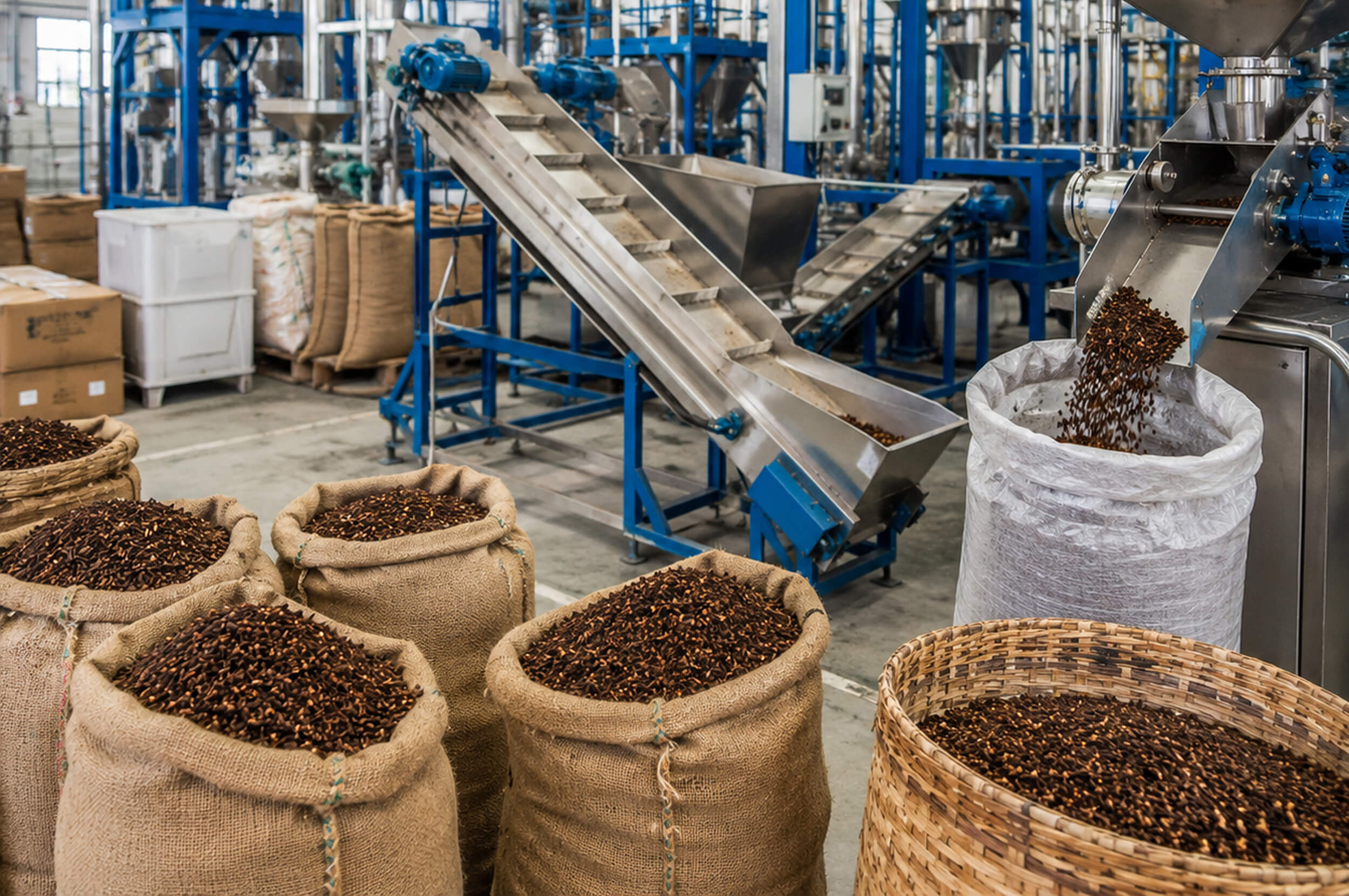
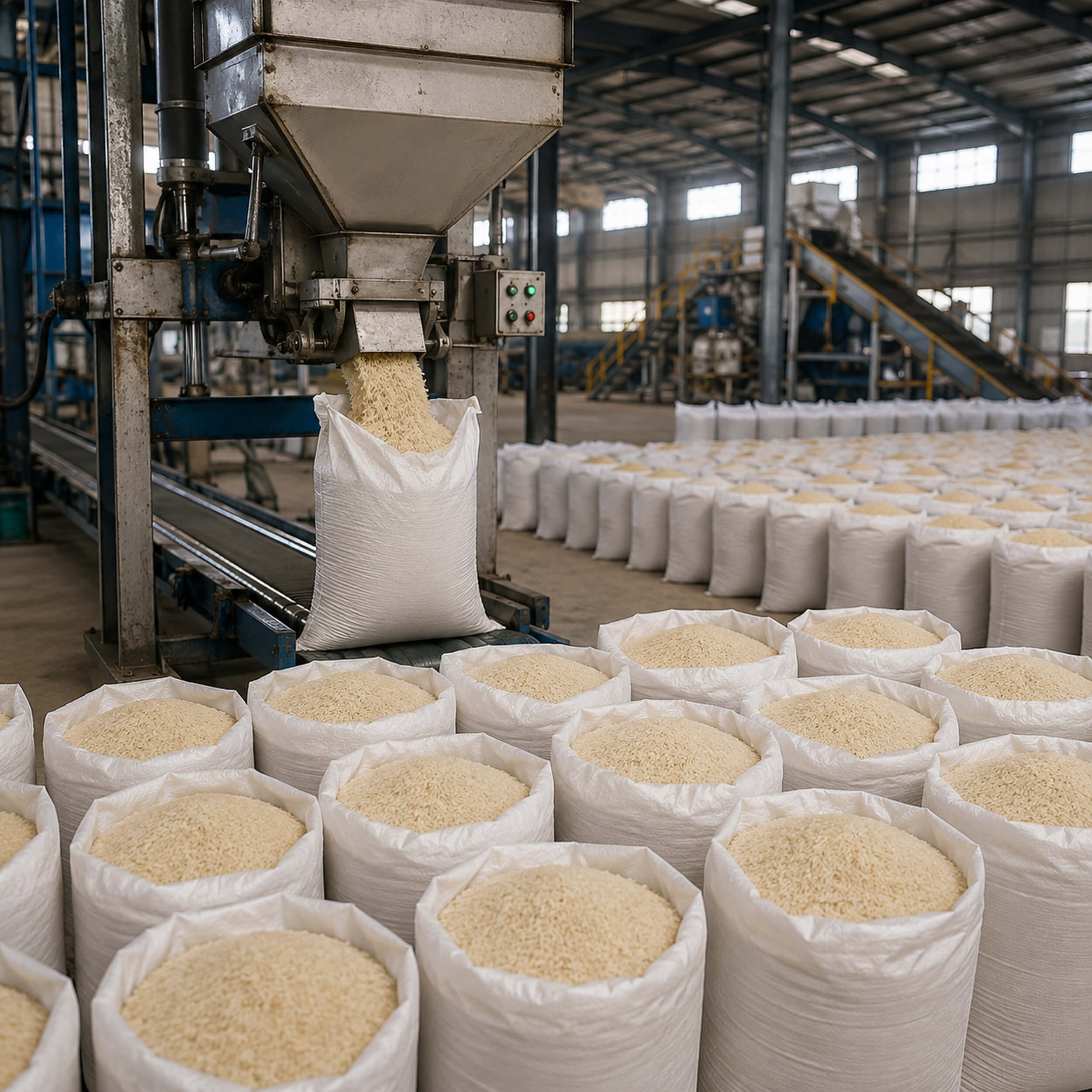
Agro & Food Commodities runs to 17 lines, each supplied on the terms below — the same terms across every category this desk trades.
Every line we trade is quoted against a stated grade, not a general description. You name the specification, the quantity and the destination port; the offer comes back costed — priced FOB, CIF or DDP, and packed as the contract states rather than as assumed.
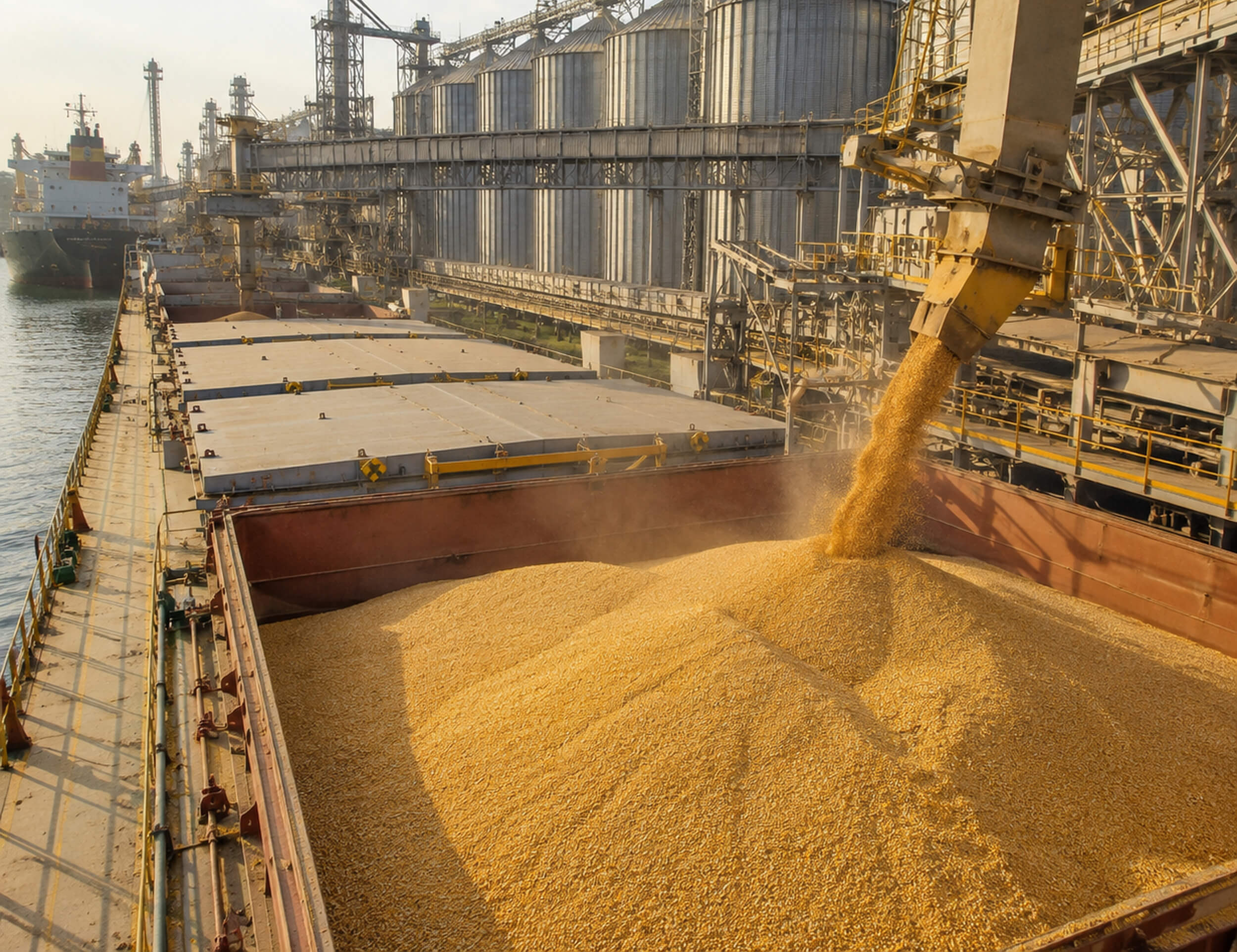
Goods move in container lots or charter parcels, whichever the order actually needs. Independent survey or factory QC follows before a container is sealed, and the survey report and the documents reach you before it leaves the port.
Where a line is newly opened, we say so. Where it is one we have not traded yet, we say that too, and confirm we can source it before quoting rather than after.
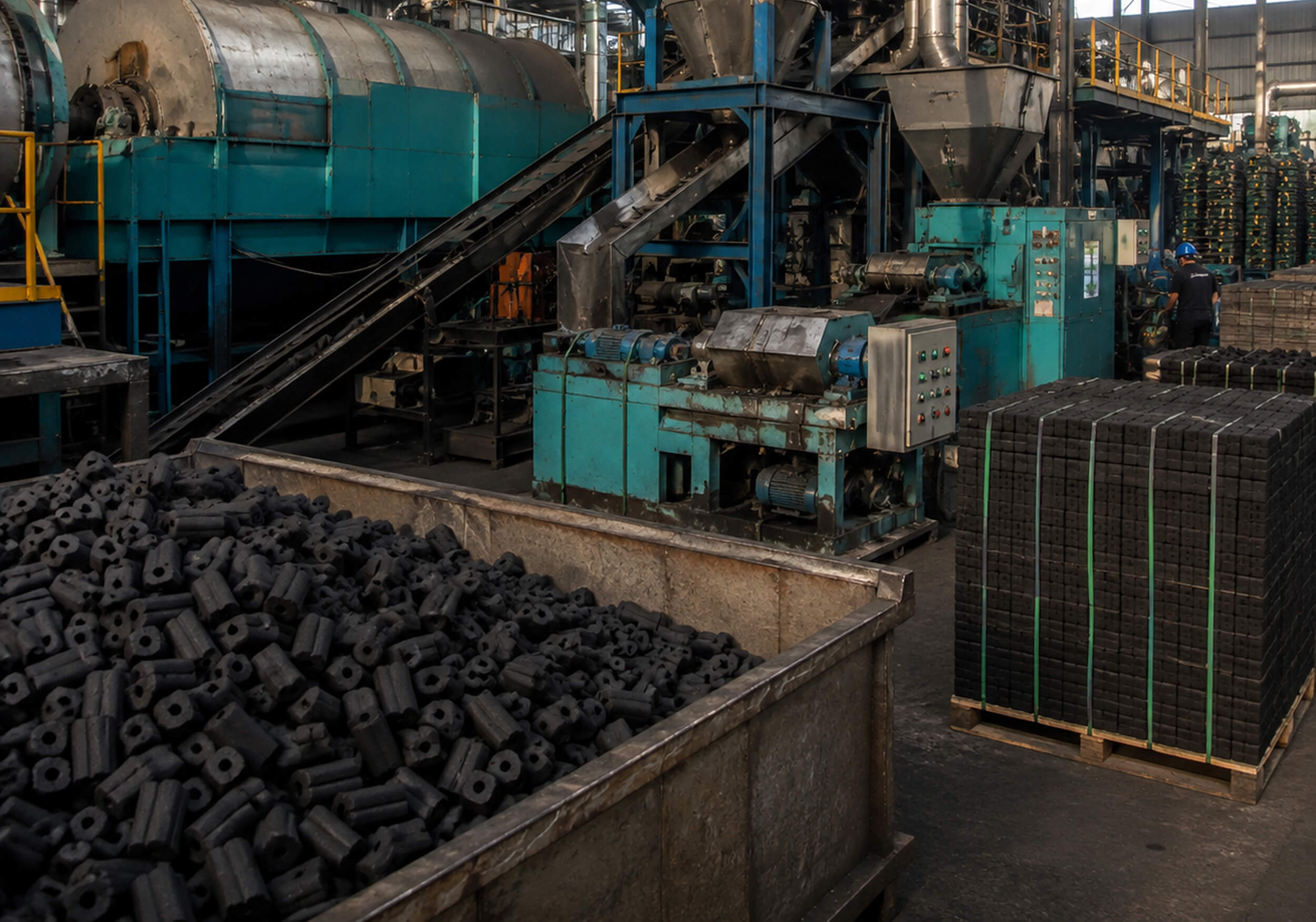
Vendors are not found once an order lands. Each mill and factory sits on an approved list before it is quoted, and the same list is used for the order after it.
Payment runs on terms written into the contract — letter of credit, documents against payment, documents against acceptance, or advance — agreed before production starts rather than negotiated once the goods are ready.
The same terms are told to every side of a trade. What is agreed in writing before shipment costs less than a claim after it.